Every fall we get the same question from homeowners around Powhatan: do I need aeration or overseeding?
For most lawns here, the answer is both, done together, in the fall. They're two different jobs that fix two different problems, and each one works better with the other.
Here's a plain breakdown of aeration vs. overseeding for Virginia lawns, so you know what each one does and what you're paying for.
What Aeration Does
Core aeration pulls small plugs of soil out of your lawn, usually 2 to 3 inches deep. Those holes let air, water, and nutrients get down to the roots.
That matters a lot in Central Virginia because we sit on heavy clay. Clay packs down hard from mowing, foot traffic, kids, dogs, and summer heat. Once it's compacted, roots stay shallow and water runs off instead of soaking in.
Signs your lawn needs aeration:
- Water puddles or runs off after a rain
- The ground feels hard, and a screwdriver is tough to push in
- Grass thins out wherever people walk or play
- The lawn struggles every summer no matter how much you water
What Overseeding Does
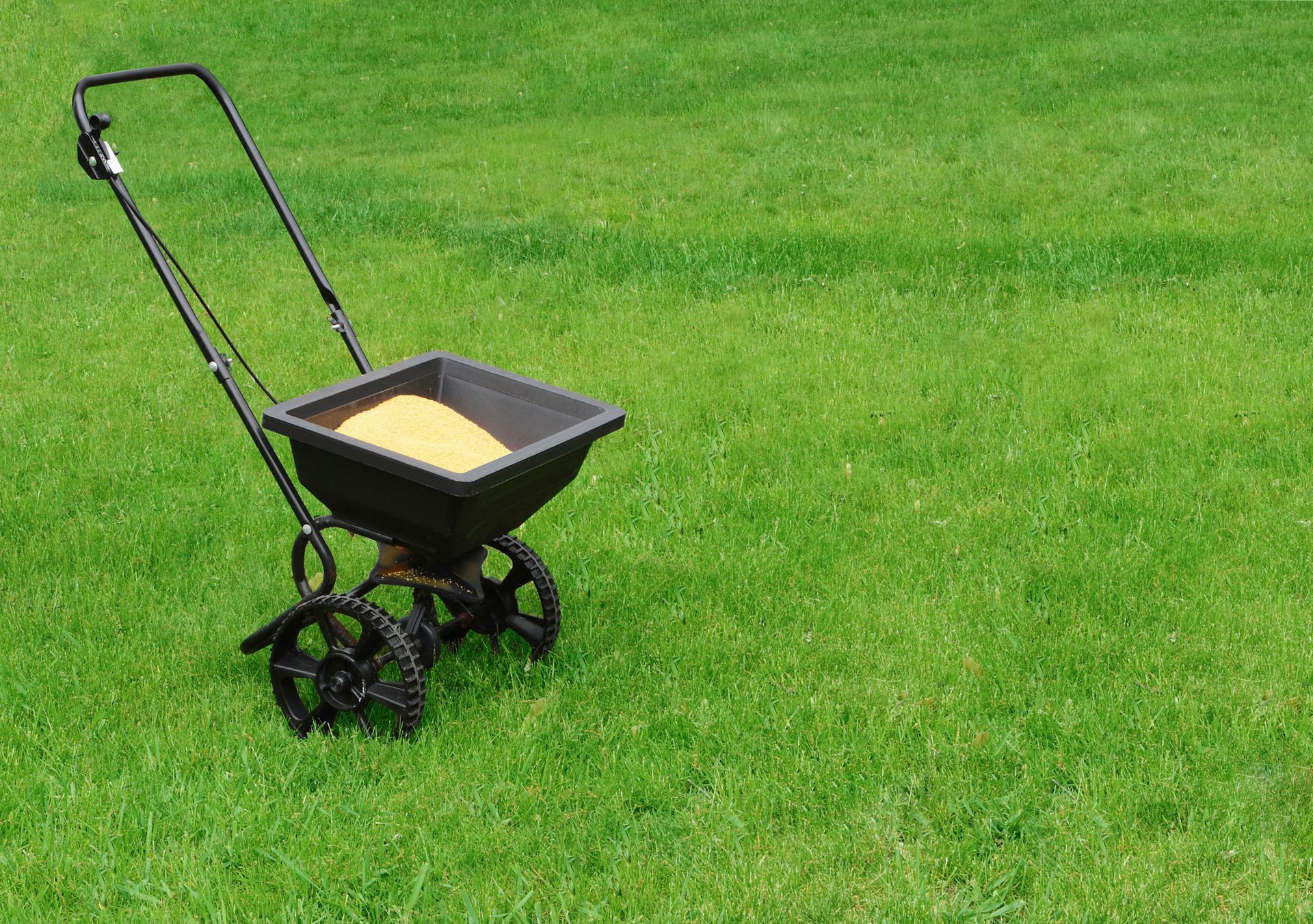
Overseeding is spreading new grass seed over the lawn you already have to thicken it up.
Most lawns around here are tall fescue, and fescue grows in clumps. It doesn't spread sideways to fill in bare spots the way Bermuda does. So every patch that dies off in a Virginia summer stays bare until new seed goes down. And bare ground doesn't stay empty for long. Weeds move in.
We overseed with blue tag certified turf type tall fescue. Blue tag means the seed has been tested and certified for purity, so you're not planting weeds along with your grass.
Signs your lawn needs overseeding:
- Thin or patchy grass, especially after summer
- Bare spots that never fill back in
- More weeds every year
- It's been a couple of years since the lawn was last seeded
Why Most Powhatan Lawns Need Both in Fall
The two services set each other up. Aeration opens thousands of small holes in the soil, and those holes are the perfect place for seed to land. The seed gets direct contact with the soil, holds moisture, and is less likely to wash away or get eaten by birds.
Seed without aeration is a gamble on clay. Aeration without seed leaves you with better soil and the same thin lawn.
Fall is the window because of how fescue grows. The soil is still warm from summer, the air is cooling off, and rain is more regular. Summer weeds like crabgrass are dying back, so new grass has less competition. Seed that goes down now gets all of fall and spring to build roots before the next round of summer heat.
Spring seeding doesn't get that head start. The grass comes up, then July hits before the roots are ready.
Around here the window runs from about early September to mid October. If you're reading this in early October, there's still time, but not a lot of it.
What to Do After
The first few weeks decide how well the seed comes in. A few simple things make the difference:
- Water lightly once or twice a day for the first 2 to 3 weeks. The goal is to keep the top of the soil moist, not soaked.
- Leave the plugs alone. They break down on their own in a couple of weeks.
- Look for sprouts in about 7 to 14 days.
- Hold off on mowing until the new grass is around 3 and a half to 4 inches tall.
- Keep leaves off the lawn. A layer of wet leaves will smother new seedlings.
- Skip the weed killer until the new grass has been mowed a few times.
Get on the Fall Schedule
Aerations Plus is a family owned business that has been taking care of lawns in Powhatan and across Central Virginia for over three decades. Aeration is right there in our name.
Fall spots fill up fast. Call us at 804.598.2723 or visit
aerationsplusinc.com to get your lawn on the schedule.